DiamondBack Switchback 2.0 Review: Life After the GFC
By Bob Ulrich
It’s weird… sometimes you get so used to your vehicle looking a certain way that you forget what it would look like if you removed certain components. There are some parts of the build that make a significant impact on the shape, personality and capability of the vehicle. My Go Fast Camper was that for my truck - it had been on for so long that I had forgotten what it used to look like. We spent thousands of miles together, on some crazy road trips and adventures. As I was sifting through some old photos, I saw a picture of my truck without a camper and suddenly got the desire to go back to my old look.
Selling a camper shell you liked, or any significant part of the build, is a strange feeling, but the bed had stopped being a camping platform and started being what a truck bed actually is for most of the year: a place for camera cases, a stroller, beach chairs, and whatever else the week demands. I started to consider what I would do without a GFC… How would I secure things? How would we camp? What would that look like?
I started doing my research on covers, shells and the like. There’s one company that stood out to me on a few builds that really piqued my interest: DiamondBack.
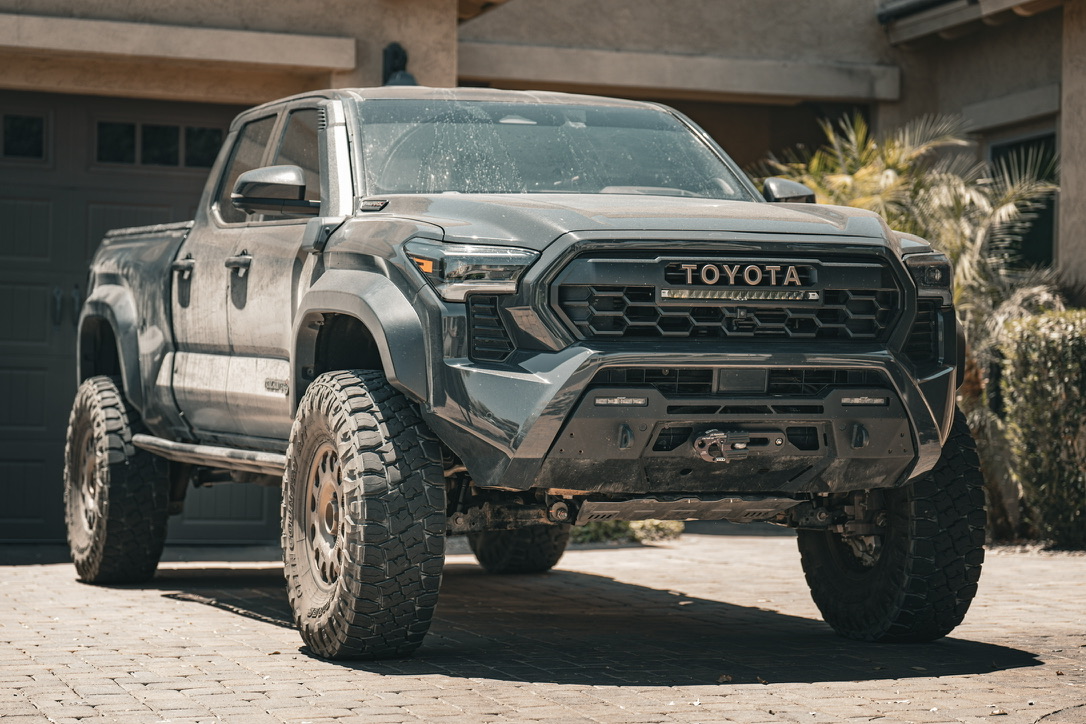
Full disclosure before the details: DiamondBack sent me this cover at no charge, which makes it different from most of this build, where the parts were paid for out of my own pocket. They attached no conditions to it and never asked what I would say or how I would say it. Everything below is what the hardware earned on its own.
One independent shop in a market one company owns
Researching hard folding covers taught me one thing fast: almost every brand you’d compare is the same company. RealTruck owns BAK, Extang, Gator, Retrax, Roll-N-Lock, TruXedo, and UnderCover, which means the classic forum debate of BAKFlip vs Retrax is really a debate about which product line of one conglomerate gets your money. DiamondBack is one of the few independents left, building covers to order in Pennsylvania.
That alone doesn’t justify a premium. At $1,599 shipped, the Switchback costs a few hundred dollars more than a BAKFlip MX4. What moved me was the hardware itself, and that’s what this review digs into: what you actually get for the extra money, panel by panel.
One thing to know up front: these are built to order. When I checked the product page this week, the ship window was about three weeks out, with a paid FastTrack option if you’re in a hurry.
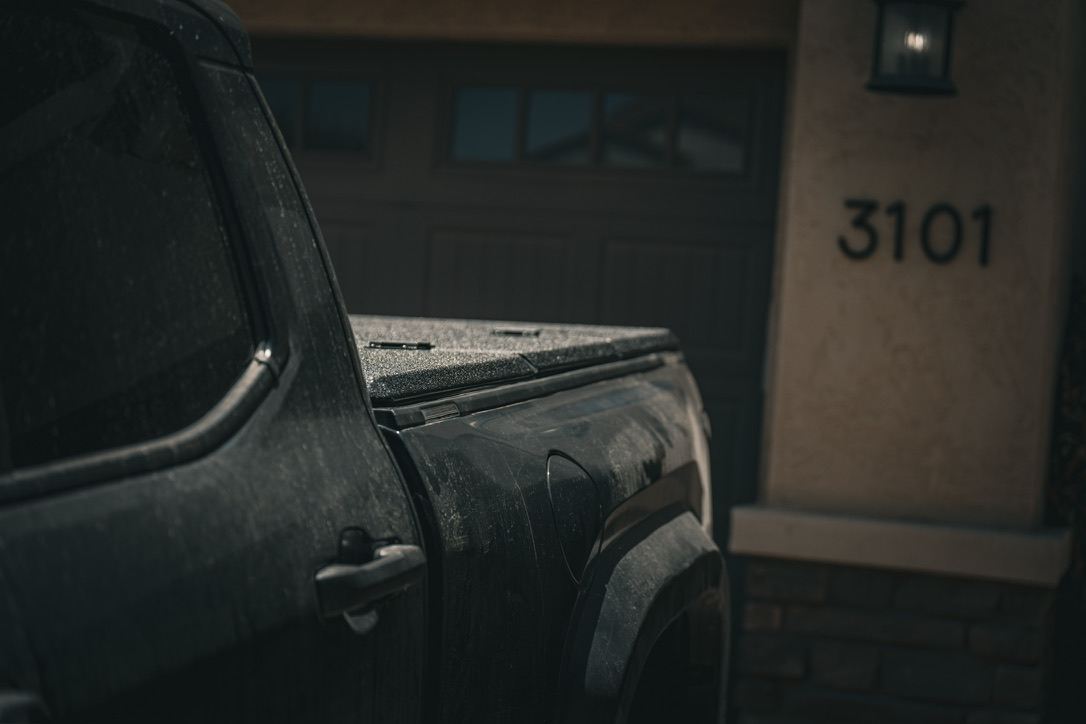
The 2.0 is not the cover in the old forum threads
Research this cover and you’ll land in threads like TacomaWorld’s Switchback discussion from early 2024, where owners describe finicky hinges, factory clamps they swapped for U-bolts and ratchet straps, and a gasket that froze shut in winter. All of that describes the original Switchback. The 2.0 is a ground-up redesign: lower profile, lighter panels, and a toolless clamp-jaw mount that installs and removes without touching a wrench. Mine went on with the hardware in the box and nothing improvised, which is apparently not something original owners could always say.
What follows is what the hardware actually is, plus 3,000 miles of real use.
What’s under the coating
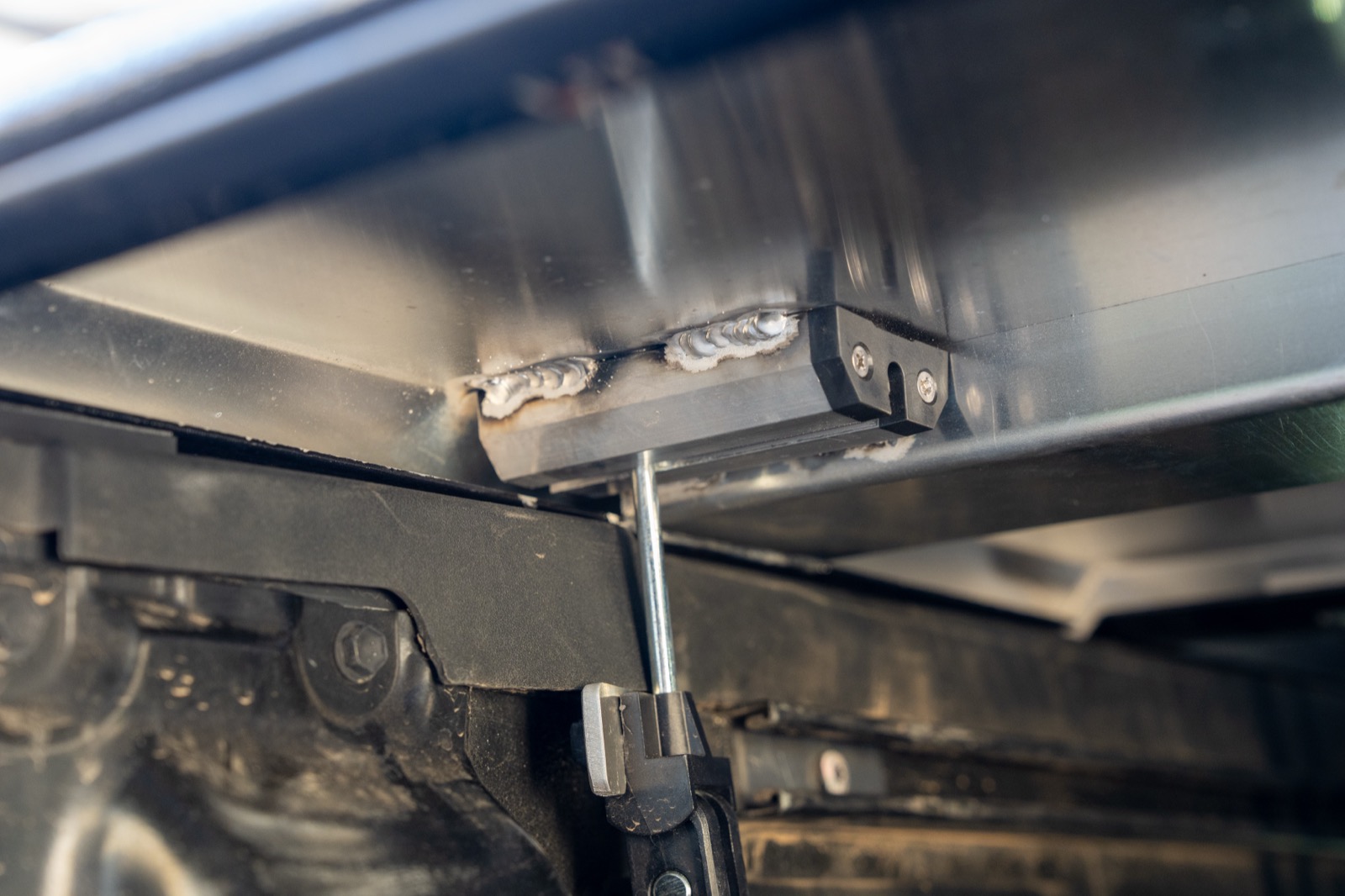
Flip a panel and the construction is right there to inspect: .080” 3003 aluminum plate with 5356-alloy TIG welds, stainless hinges and external hardware, and structural studs bracing the underside. Nothing is glued, skinned, or foam-cored. The weld beads where the clamp-jaw mounts meet the panel are the kind you’d expect on a fabricated bumper, not a bed accessory.
Over that aluminum goes a textured spray-on coat, and DiamondBack says it’s the same bedliner material Ford and Toyota spray into factory truck beds, resistant to gasoline, diesel, chlorine and paint. In hand it reads exactly like a factory bedliner: grippy, hard, and indifferent to whatever slides across it.
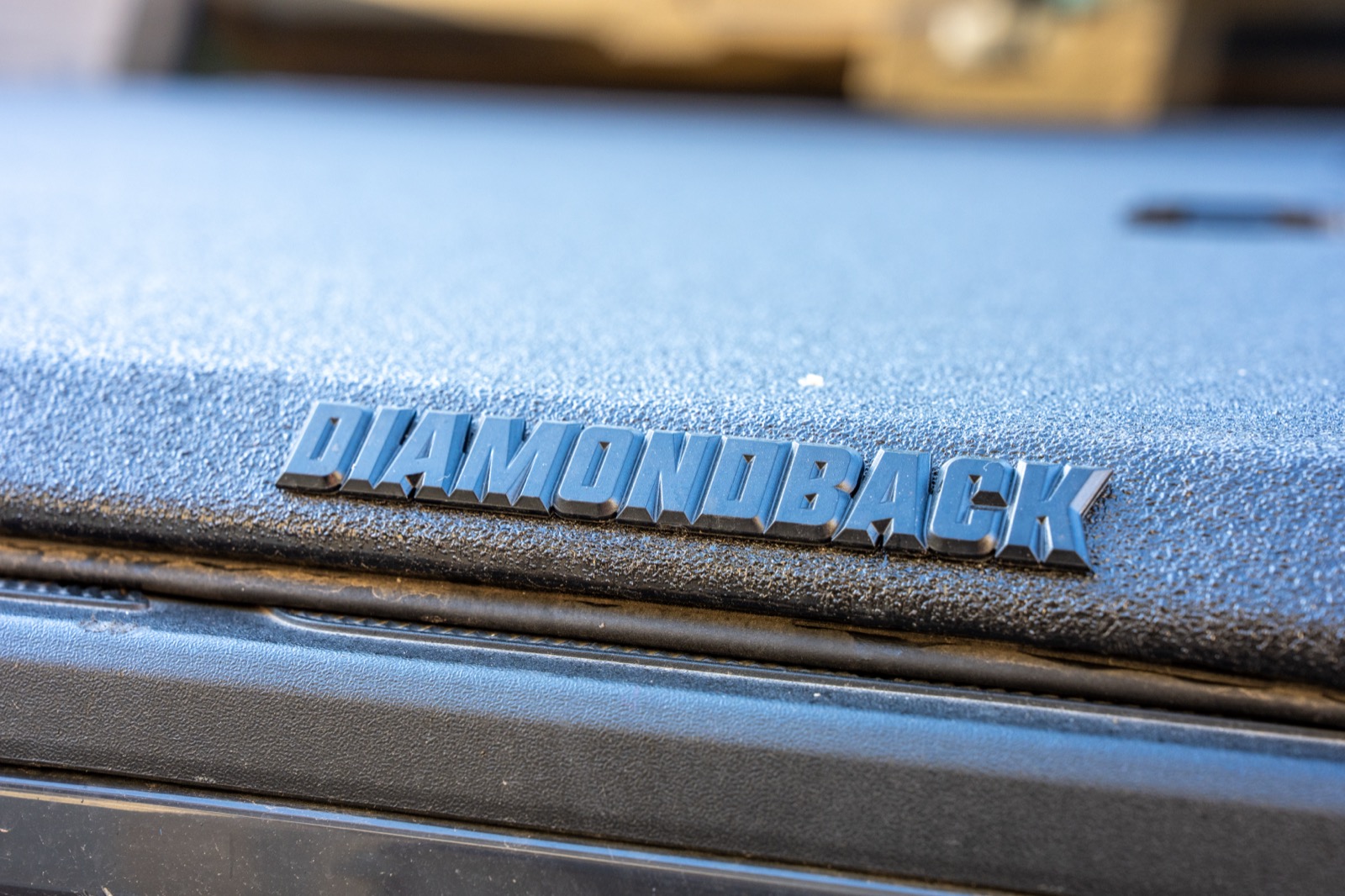
That coating choice does double duty in the desert. Fine dust settles into the texture and shows immediately on a dark truck, then rinses off without leaving it chalky. And after a full day in the summer sun, the textured surface is the difference between flipping panels open bare-handed and needing to be careful. One of the most difficult things about the GFC here in Phoenix was how hot the panels got in the full sun, and reaching through the truck was a risky affair. No scalding on this one.
Security without a key
DiamondBack put no keyed lock on the cover itself, which took me a minute to trust. Two 7-inch clamp-jaw handles seize the bed rails from inside, so once the tail panel is clamped, the only way into the bed is through the tailgate. Lock the tailgate and the bed is sealed. It’s a simpler chain than a padlock hasp: nothing to pick, nothing to lose a key to, one less thing to fumble at night.
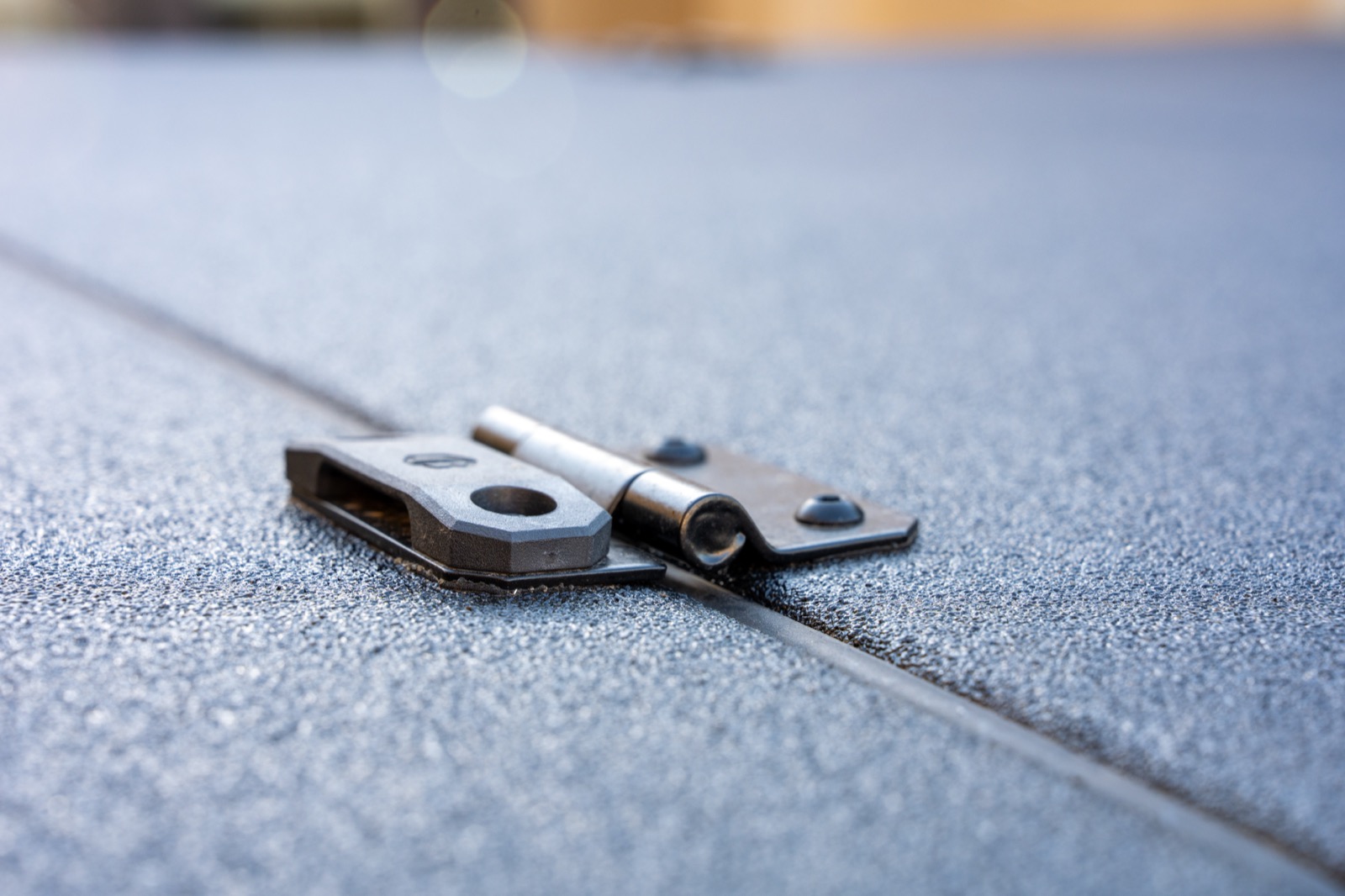
Since the hinges ride on top of the cover, I looked at the exposed fasteners and had the obvious thought. Turns out they’re flat-head machine screws backed by nylon lock-nuts underneath, so spinning them from the topside mostly just spins them in place. Between that and the aluminum plate, getting into this bed without the tailgate open means destroying something loudly.
Sealed against rain and desert dust
Weatherproofing comes from an EPDM compression gasket that runs the panel perimeter, with formed gutters carrying water off to the sides instead of into the bed. Between the panels, the gasket profiles interlock when the cover is closed.
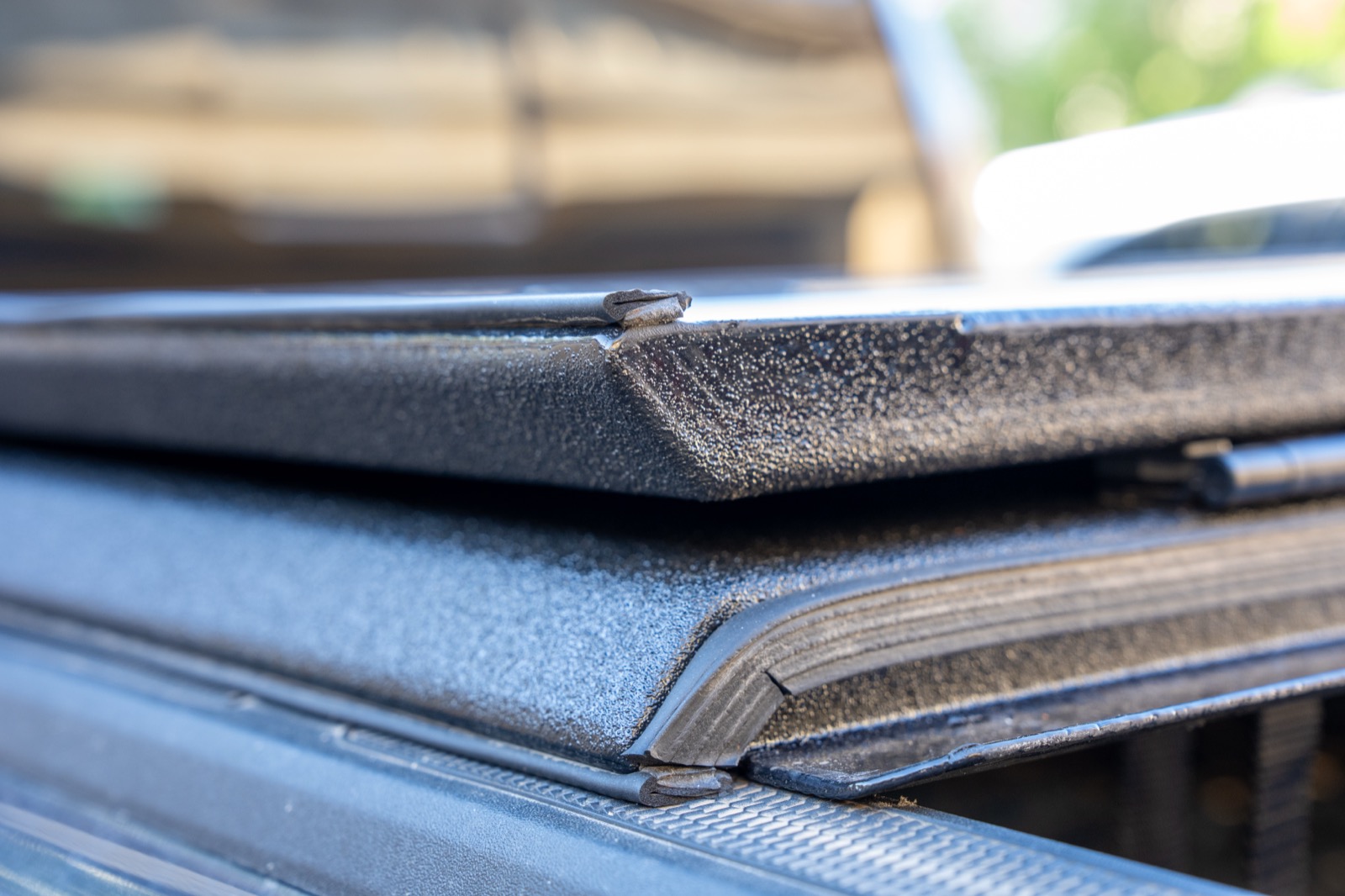
Monsoon season has answered the weatherproofing question directly. It has sat in the driveway through several monsoon storms and covered more than 3,000 miles that included some genuinely heavy rain, and nothing significant has made it past the gasket. Fine desert dust stays out too, and camera cases come home clean.
Fold it, strap it, or take it off entirely
Day to day, the cover lives in one of three states. Closed and clamped, it’s a locked, weatherproof lid rated to carry 400 lb on top and hold 600 lb standing still, so you can stand on it to load a roof basket or strap cargo to the four included anchor plates. Folded, the panels stack against the cab and the included tie-down straps cinch the stack for driving. Off, it’s a 5-minute removal: fold, strap, release the clamps, lift.
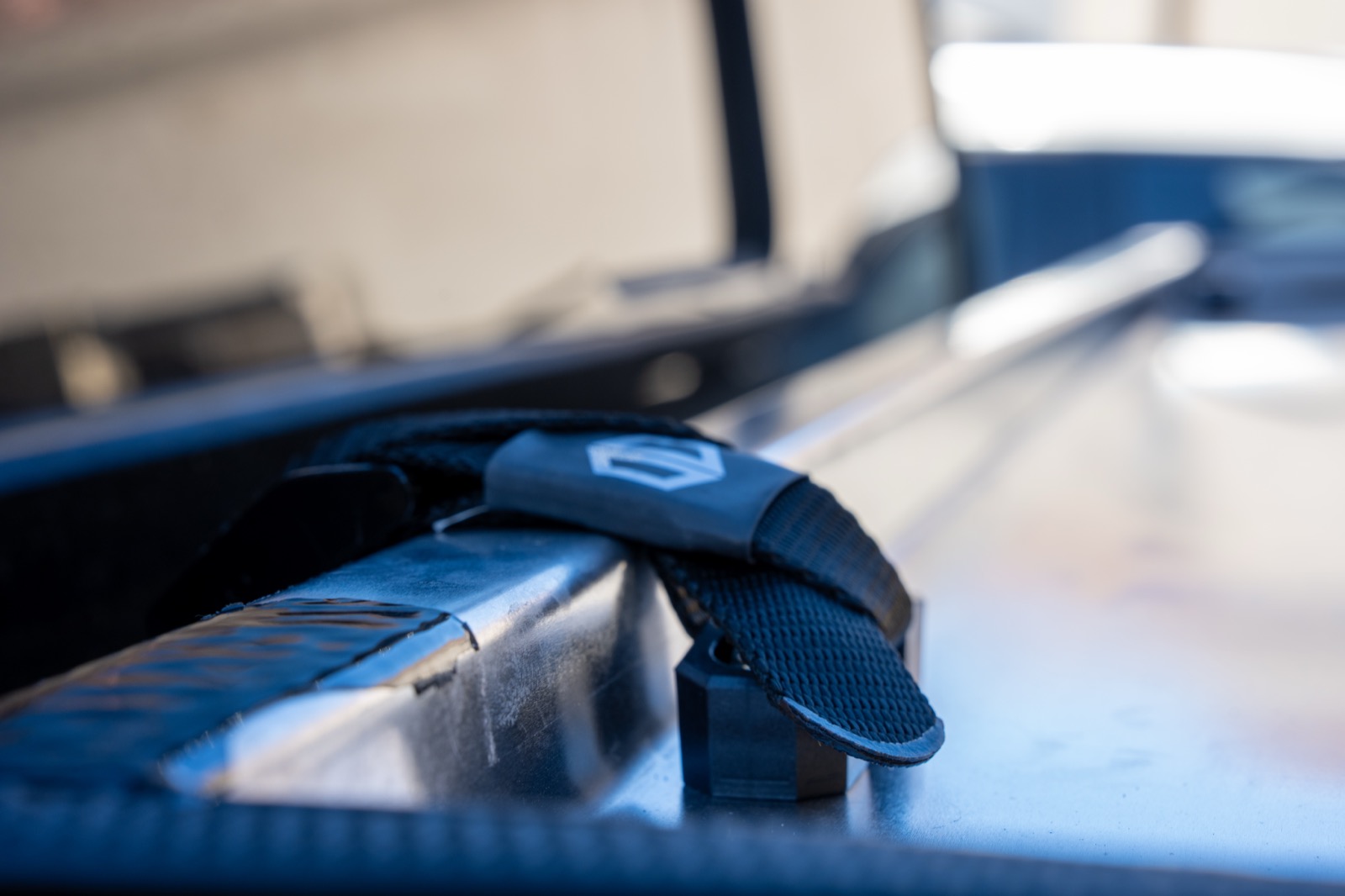
You can’t drive with only the tail panel folded back, per the manual, because the strap system secures a full stack at the cab end only. It’s all the way closed or all the way folded on the move. And if you’re wondering why it isn’t rated for the HD’s 1,600 lb static load, DiamondBack’s answer is refreshingly direct: they kept the panels light on purpose, and if you need 1,600 lb you should buy the HD.
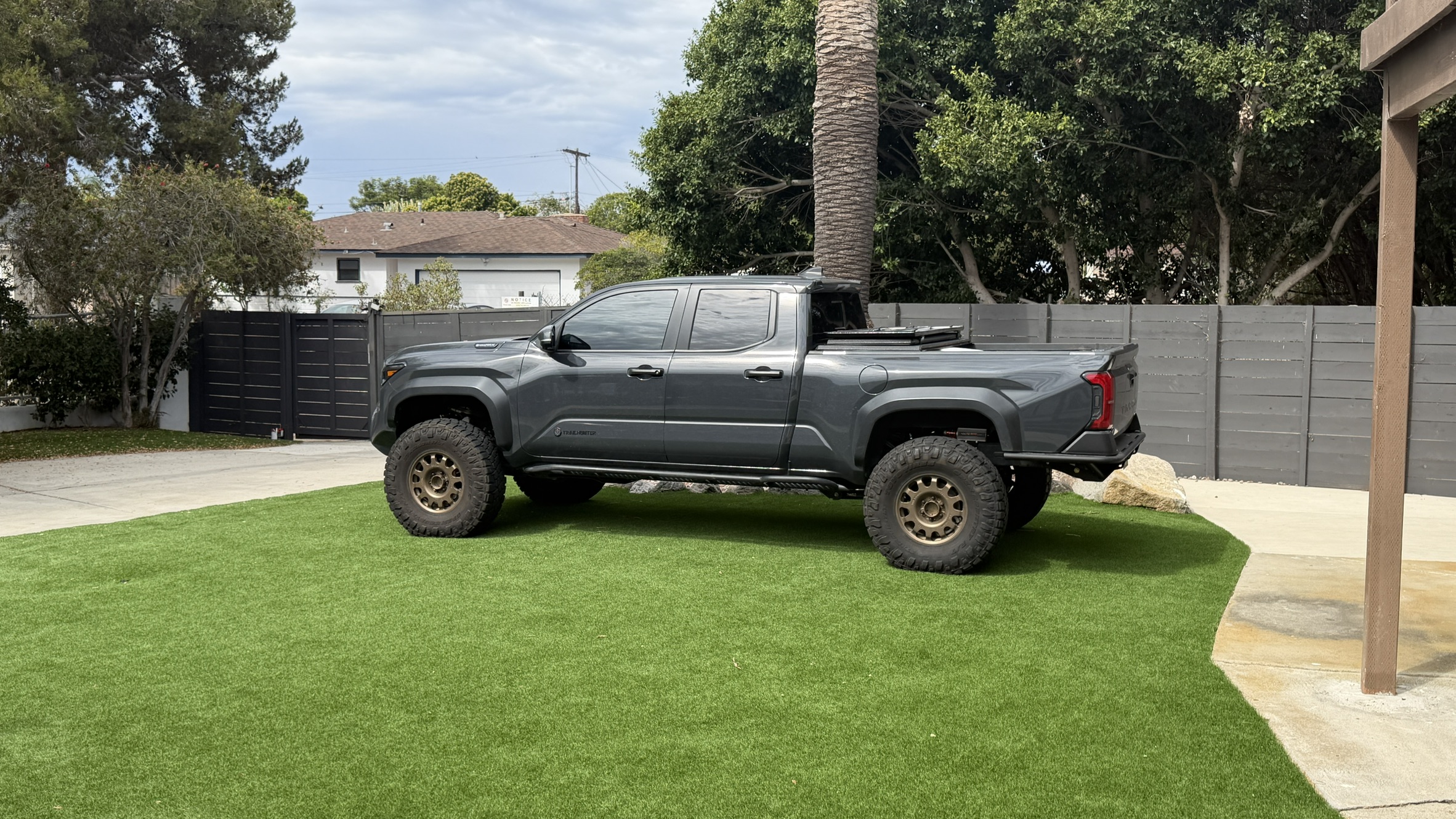
High-speed desert running found the one thing pavement didn’t. During the first shock tuning run, the cover shifted at speed, and my read is that the mechanism fastening the cab side of the cover needs to be tighter than I had it. File it under check-your-clamps before a fast dirt day; I’ll retension it and report back if it moves again.
That fold-or-close flexibility is the part I use most. Both San Diego runs were the full-family load-out: a fullsize spare, an offroad 3-ton jack and hard cases flat on the bed floor, duffels on top, cover closed over all of it. When beach chairs, the stroller, and a wagon pushed the load above the rails, the cover folded out of the way and the bed went back to being an open box. Switching between the two takes under a minute at the tailgate.
What a folding cover gives up after a camper shell
It’s not all roses - A GFC gives you side hatches, standing height under a tent, and access to the front of the bed from anywhere. A folding cover gives you none of that. Reaching gear stacked at the front of a 6-foot bed means leaning in from the tailgate or folding the cover forward first, so packing order became a real discipline: trip gear at the front, daily-grab items at the tailgate.
You also lose the rack, permanently: rack tracks would block the panels from folding, so there’s no roof-load workaround. What replaces it is the anchor-plate system and the 400 lb top rating, which covers most of the same jobs, but tall mounted accessories are a different conversation. A sealed bed also runs hotter inside than an open one, same as any covered space with no airflow.
For how this truck lives right now, the trade runs in the cover’s favor. Secure, weatherproof, low-profile storage gets used every single day. Standing height under a tent got used a handful of weekends a year.
The accessory stack is next
Part of what sold me on this ecosystem is that the cover is a platform, not just a lid. An order of DiamondBack’s own accessories is on the way, and each one gets tested and reviewed here as it earns trail time:
- StrongHold Cargo Net ($239), for caging cargo on top of the closed cover against the 400 lb rating
- StrongHold Ratchet Loop Straps ($69), for strapping top loads to the anchor plates
- Anchor Plates ($29), extra tie-down points for the 400 lb top-load rating
- DiamondBack LIGHT ($69), a bed light for load-outs that start before sunrise
Together that’s the rack-replacement experiment: whether anchor plates, straps, and a net can cover what the GFC’s roof used to carry. Follow-ups will land as reviews on the blog.
Verdict
More than 3,000 miles and two loaded round trips in, the Switchback 2.0 has done exactly what it went on the truck to do. Gear stays clamped out of sight behind a locked tailgate, the bed converts from covered to open in under a minute, and the build quality reads like the product of a shop that only makes this one category of thing. Nothing has rattled or leaked, the one shift at speed traces back to clamp tension I can adjust myself, and the lifetime warranty means I’m not counting seasons the way I would with a five-year cover. The broader owner base seems to agree: the Switchback holds 4.8 stars across 627 reviews, with 97% recommending it.
If you’re cross-shopping the usual names, check who owns them first, then price the Switchback 2.0 against what a replacement cover costs when a shorter warranty runs out. Full parts list and photos from this build live on the build page, and the rest of the long-term reviews, including the CBI Covert bumper after a year, are on the blog.