Free Parts Aren't Free
Cam over at CAMtuning wrote something this week about the vendor side of automotive partnerships. Why most “promo” requests are a waste. Why follower count doesn’t equal value. And why the rare partnerships that actually work come down to credibility, not clout.
He used my truck as the example. I didn’t ask for that, same way I didn’t ask for the tune. But it sparked a conversation I’ve been wanting to have from the other side.
Here’s what I’ve learned from running partnerships with CBI Offroad, 74Weld, SDHQ, CAMtuning, KDK Fabrication, Triple-R Lighting, and others.
Are you testing or just posting?
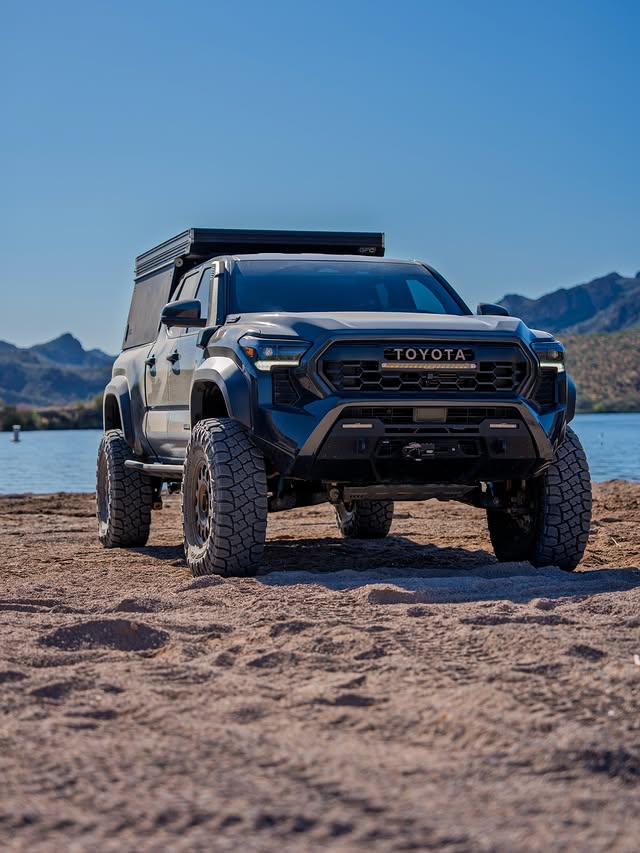
Partnership can mean different things. Maybe you’re running R&D, actually testing products and reporting back. Maybe you’re purely promoting. Either way, make sure the expectation is clear from the start. If you think you’re a tester and they think you’re a billboard, someone’s going to be disappointed.
I bought the CBI Covert bumper with my own money. No discount, no promo deal. Ran it for a year through snow, sand, rocks, highway miles. CBI reached out after I’d been promoting the product on my own. And when the AC line ruptured during install and the parking sensors had issues, I wrote about that too. A $1,500 repair bill showed up in the review right next to the things I loved about it.
That’s what testing looks like. It’s not always pretty. If you’re only posting the good stuff, you’re not a tester. You’re a brochure. And vendors who want brochures aren’t the vendors you want to work with.
Ask yourself: am I educating my audience or just showing off? Do my followers learn something from my content, or do they just scroll past another product photo? Vendors notice the difference. Cam’s entire article was about that difference.
Does your input shape their products?
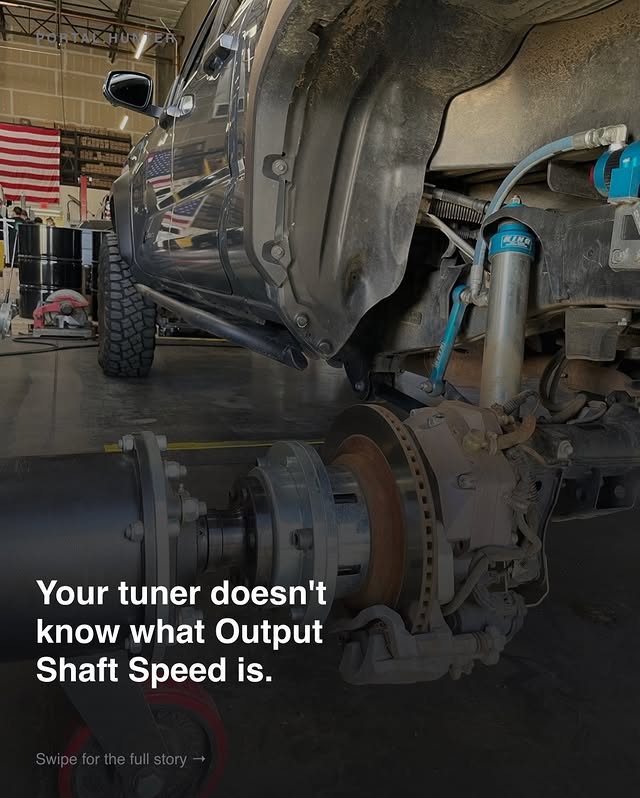
Some partnerships develop into real feedback loops. Not all of them do, and that’s fine. Know where you stand.
If a vendor wants your input on their next product, that’s a signal. You test. You break things. You report what worked and what didn’t. Maybe your feedback changes a weld location, a mounting solution, a material choice. Maybe it doesn’t. But when that door is open, the relationship has weight behind it. When it’s not, you’re closer to a customer who didn’t pay.
When your input carries weight, that’s when a partnership becomes valuable for both sides. You’re not just promoting what exists. You’re helping build what comes next. That’s worth more than any discount code.
If a vendor ships you product and then disappears until they need another Instagram post, that tells you everything about the relationship.
Are you accounting for your time?
Expos. Booths. Content creation. Install time. Trail days where you’re specifically running their gear. All of that has a dollar value.
Your truck sitting in a vendor’s booth at Overland Expo for three days is worth something. You drove there. You’re paying for fuel, food, camping. You’re giving up a weekend. And your truck, the one you built with your own money and time, is the thing drawing people to their booth.
Know what that’s worth before you agree to it. Not after. Some vendors understand this and compensate accordingly. Some don’t. But if you never think about it, you’ll always be on the losing end.
Time is the one resource you can’t get back. Free product doesn’t cover it if the math doesn’t work.
Would you spend your own money on it?
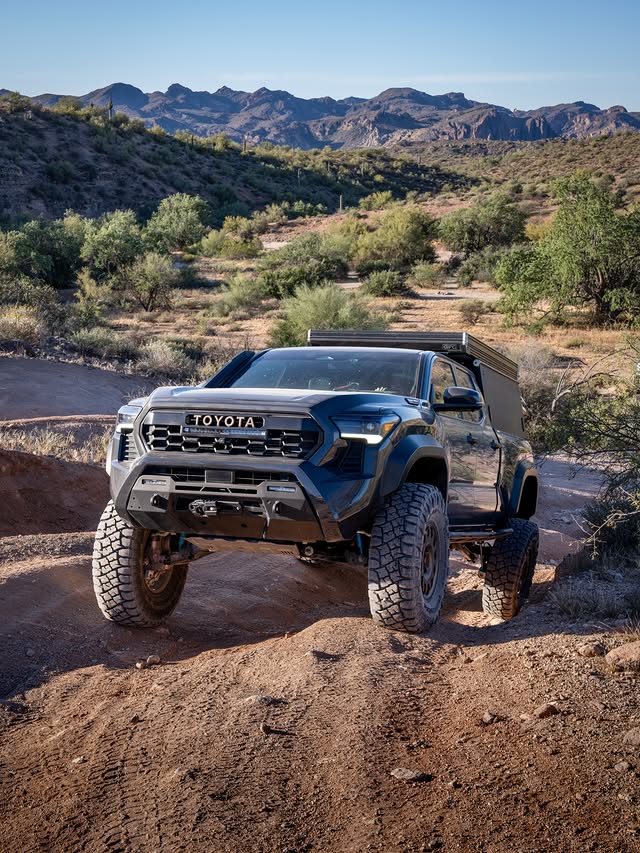
This is the gut check.
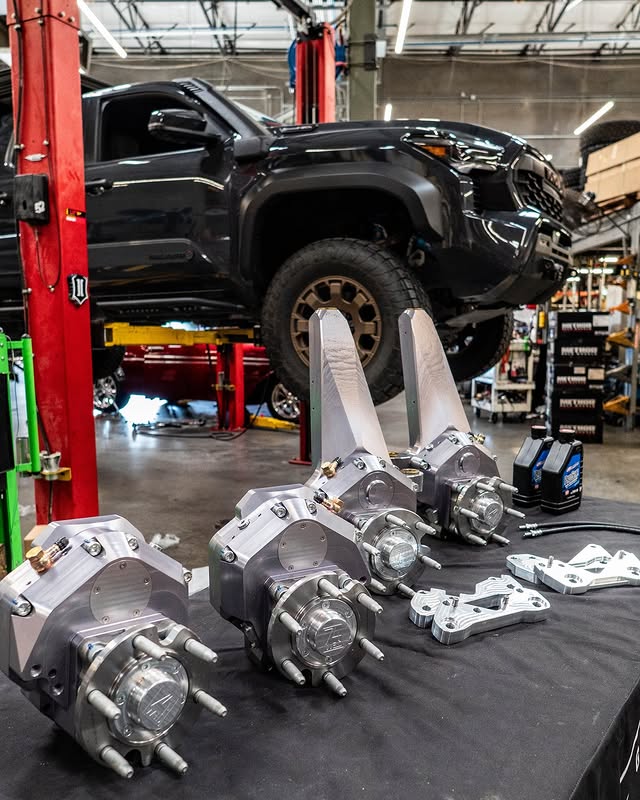
I spent $25,000 on 74Weld portal axles. Full price. No discount. No affiliate deal at the time. I believed in the product enough to write that check because I’d seen what portals do on the trail and I wanted that for my truck.
That credibility is what makes my content convert. When I talk about portals, people know I’m not saying it because someone sent me a free set. I’m saying it because I chose to spend more than most people’s entire build budget on a single modification.
I’ll be honest about one that went the other way. KDK Fabrication built chromoly heim joint links for the truck. Fully adjustable. Strong. And heavily discounted. I ran them because the dollar value of cheap parts clouded my judgment. I wasn’t asking myself whether I’d actually write a check for heim joint links on a daily driver. I wouldn’t have. Heim joints are metal on metal with zero give. They transmit every vibration straight to the chassis. They need regular service. They belong on a race truck that gets torn down between events, not a truck that drives kids to school. That’s exactly why I swapped them for 74Weld links later. Lesson learned.
And the “free” part? Even that ended up not being entirely true. There’s always a cost somewhere. Time, content obligations, your name attached to something that doesn’t match your build philosophy.
Be selective. If you wouldn’t spend your own money on it, don’t put it on your truck. Your credibility is worth more than any free part.
What is the vendor doing for you?
Partnerships flow both directions. You’re creating content, testing products, showing up at events. What are they doing?
Do they feature your truck on their page? Tag you in their content? Share your posts? Send customers your way? Give you input on their product roadmap? Or do they just ship a box and expect photos?
Look at their social presence. Do they have an active following that overlaps with yours? Does their content strategy actually drive people to the creators they work with? Or is it all product shots and sale announcements?
Be critical when evaluating opportunities. The first offer isn’t always the best one. Sometimes waiting for the right vendor is better than jumping at the first brand that DMs you. A partnership where you’re doing all the work and getting a 10% discount code in return isn’t a partnership. It’s free labor with a coupon.
Cut the dead weight
Not every partnership lasts forever. And that’s fine.
Sometimes a vendor stops making the product you’re running. Sometimes they pivot to a different market. Sometimes the relationship just stops being productive for one or both sides. Maybe they stopped promoting your content. Maybe you stopped using their product. Maybe the quality dropped.
Walking away isn’t failure. It’s quality control.
Limping along an arrangement just to avoid an awkward conversation isn’t great for either side. The vendor keeps expecting content from someone who isn’t excited about the product anymore. You keep tagging a brand you don’t fully believe in. Your audience picks up on that energy even if you think they don’t.
Be honest. Be direct. Thank them for the time. Move on. The best vendors will respect you more for it.
My rule on free parts
Free parts aren’t free. They come with expectations, time commitments, and your name attached to someone else’s product. If you’re going to put your reputation behind something, make sure it’s worth it.
Read Cam’s piece for the vendor’s perspective. Between the two articles, you’ve got both sides of what makes automotive partnerships actually work.
And if you’re a vendor reading this, looking for the right creator to work with: Cam nailed it. Look for credibility over follower count. Look for education over aesthetics. Look for someone who would buy your product with their own money, and probably already has.
Follow the build at @portal.hunter. More content at truck.bdigitalmedia.io.